
When it comes to securing your financial future, matching term life insurance quotes to income levels is a critical step. This guide delves into the importance of this correlation, factors to consider, strategies for finding the right quotes, and understanding different types of policies.
Stay tuned to learn more!
Importance of Matching Term Life Insurance Quotes to Income Levels
When it comes to selecting term life insurance coverage, it is essential to align the quotes with income levels. This ensures that individuals and families have adequate financial protection without overburdening their budget. Let's explore why matching term life insurance quotes to income levels is crucial.
Benefits of Having Appropriate Coverage Based on Income
Having term life insurance coverage that matches income levels offers several benefits:
- Financial Security: Adequate coverage ensures that loved ones are financially protected in case of unexpected events like death or disability.
- Peace of Mind: Knowing that there is a safety net in place can provide peace of mind and reduce stress for policyholders and their families.
- Cost-Effectiveness: By aligning coverage with income, individuals can avoid paying excessive premiums for coverage they may not need.
Risks of Under or Over-Insuring Based on Income Levels
Under or over-insuring based on income levels can have significant consequences:
- Under-Insuring: Inadequate coverage can leave families financially vulnerable and unable to meet ongoing expenses or future financial goals.
- Over-Insuring: Paying for excessive coverage can strain the budget and lead to unnecessary financial burden, especially if the coverage exceeds actual needs.
Factors to Consider When Matching Quotes to Income Levels
When determining the appropriate amount of term life insurance coverage based on income, several key factors come into play. These factors help individuals make informed decisions that align with their financial needs and goals.
Expenses, Debts, and Financial Goals
- Expenses: Consider your monthly expenses, including housing, utilities, groceries, and other essential costs. Factor in any future expenses, such as college tuition for children or retirement savings.
- Debts: Evaluate your outstanding debts, such as mortgages, car loans, and credit card balances. Ensure that your term life insurance coverage can help cover these debts in the event of your passing.
- Financial Goals: Take into account your long-term financial goals, such as leaving an inheritance for your loved ones or funding a child's education. Your coverage amount should support these goals.
Age and Life Stage
- Age: Younger individuals may require less coverage compared to older individuals due to fewer financial obligations and dependents. As you age, your coverage needs may increase to account for additional responsibilities.
- Life Stage: Consider your current life stage, whether you are single, married, have children, or are nearing retirement. Your coverage amount should reflect your current stage in life and provide financial security for your loved ones.
Strategies for Finding Term Life Insurance Quotes That Match Income Levels
Finding the right term life insurance quotes that align with your income level is crucial to ensure you have adequate coverage without overextending your budget. Here are some strategies to help you find the best match for your income:
Comparing Different Term Life Insurance Quotes
When looking for term life insurance quotes that match your income level, it's essential to compare quotes from multiple insurance providers. This allows you to see the range of options available and choose the one that best fits your financial situation.
- Request quotes from at least three different insurance companies to get a comprehensive view of the market.
- Consider factors such as coverage amount, premium costs, and policy terms when comparing quotes.
- Use online comparison tools to streamline the process and easily compare quotes side by side.
Getting Multiple Quotes
It's important to obtain multiple term life insurance quotes to ensure you are getting the best coverage at a competitive price. Here's how you can effectively gather multiple quotes:
- Reach out to insurance agents who can provide you with quotes from various carriers based on your income level and coverage needs.
- Utilize online insurance marketplaces to receive quotes from multiple companies with just a few clicks.
- Consider factors like the financial stability of the insurance company and the reputation of their customer service when evaluating quotes.
Tailoring Quotes to Income Levels
Working with insurance agents or using online tools can help you tailor term life insurance quotes to match your income level effectively. Here's how you can personalize your quotes:
- Provide accurate information about your income, expenses, and financial goals to insurance agents to receive customized quotes.
- Use online calculators to estimate the coverage amount you need based on your income level and future financial obligations.
- Discuss any specific budget constraints or financial concerns with insurance agents to find a policy that aligns with your income.
Understanding Different Types of Term Life Insurance Policies
Term life insurance policies come in various types to cater to different needs and financial situations. Understanding the differences between level term, decreasing term, and increasing term policies is essential in selecting the most suitable coverage based on income levels and financial goals.
Level Term Life Insurance
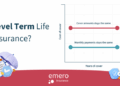
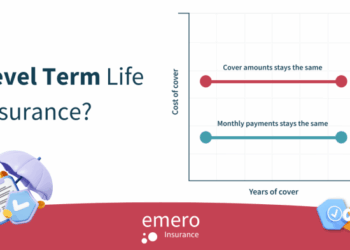
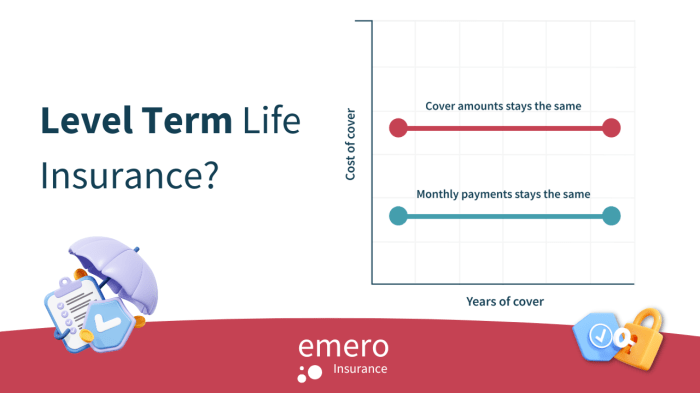
Level term life insurance provides a fixed death benefit amount for the duration of the policy term. Premiums remain consistent throughout the policy term, offering predictable costs for policyholders. This type of policy is ideal for individuals with stable income levels and long-term financial obligations, such as mortgage payments or providing for dependents.
Decreasing Term Life Insurance
Decreasing term life insurance offers a death benefit that decreases over time, typically aligning with a decreasing financial obligation like a mortgage. Premiums may be lower compared to level term policies since the coverage amount decreases as the policyholder ages.
This type of policy is suitable for individuals with declining financial commitments and a need for cost-effective coverage.
Increasing Term Life Insurance
Increasing term life insurance provides a death benefit that grows over time, usually to keep pace with inflation or increasing financial responsibilities. Premiums may increase periodically to accommodate the rising coverage amount. This type of policy is beneficial for individuals with growing income levels, expanding financial obligations, or a desire to maintain the purchasing power of the death benefit over time.Each type of term life insurance policy offers unique features that can be tailored to different income levels and financial needs.
By understanding the characteristics of level, decreasing, and increasing term policies, individuals can make informed decisions to protect their loved ones and secure their financial future.
Summary
In conclusion, ensuring that your term life insurance quotes align with your income levels is key to providing financial security for you and your loved ones. By understanding the nuances of this process and making informed decisions, you can safeguard your future effectively.
Essential Questionnaire
Why is it important to match term life insurance quotes to income levels?
Matching term life insurance quotes to income levels ensures that you have adequate coverage without overburdening yourself financially.
How do expenses and financial goals influence the amount of coverage needed?
Expenses and financial goals play a crucial role in determining the appropriate coverage amount, as they directly impact your financial obligations and aspirations.
What are the key differences between level term, decreasing term, and increasing term life insurance policies?
Level term policies offer a consistent payout, decreasing term policies decrease over time, and increasing term policies have payouts that rise. Each aligns with varying income levels and needs.