
Delving into the realm of Homeowners Insurance Quote Adjustments After Renovations, this informative piece aims to shed light on the intricacies of adjusting insurance policies post-renovations. From understanding the impact of renovations on insurance premiums to avoiding common mistakes, this guide has you covered.
Exploring the various factors influencing insurance adjustments and the types of renovations that can affect quotes, this discussion provides valuable insights for homeowners navigating insurance changes after making home improvements.
Factors influencing homeowners insurance adjustments after renovations
Renovating your home can have a significant impact on your homeowners insurance policy. The changes made to your property can affect the coverage you need and the premiums you pay. Understanding how renovations influence insurance adjustments is crucial for ensuring you have adequate protection for your home.
How renovations impact insurance premiums
Renovations that increase the value of your home can lead to higher insurance premiums. This is because the cost to rebuild or repair your home in the event of a covered loss will be greater with the added value of the renovations.
On the other hand, renovations that improve the safety or security of your home may actually result in lower premiums, as they reduce the risk of damage or loss.
Value of renovations affects coverage adjustments
The value of the renovations you undertake plays a key role in determining the coverage adjustments needed in your homeowners insurance policy. High-value renovations, such as adding a swimming pool or upgrading your kitchen, may require additional coverage to protect these investments.
It's essential to inform your insurance provider of any significant changes to ensure you have adequate coverage.
Role of home improvements in insurance rate changes
Home improvements, such as installing a new roof, upgrading electrical systems, or replacing plumbing, can impact insurance rate changes. These improvements can enhance the safety and stability of your home, potentially leading to lower insurance rates. Conversely, neglecting necessary home maintenance and improvements could result in higher premiums due to increased risk of damage or loss.
Insurance adjustments for different types of renovations
Different types of renovations can have varying effects on your homeowners insurance adjustments. Structural renovations, such as adding an extension or renovating the foundation, may increase the replacement cost of your home and require adjustments to your coverage. Cosmetic renovations, like painting or landscaping, may not have a significant impact on insurance premiums but can still add value to your property.
Types of renovations that impact homeowners insurance quotes
When it comes to renovating your home, it's important to consider how these changes can impact your homeowners insurance quotes. Certain renovations can increase or decrease your insurance costs, depending on the type of changes made. Let's explore the various types of renovations that can influence your homeowners insurance premiums.
How structural changes affect insurance costs
Structural changes to your home, such as adding an extension, converting a garage, or installing a new roof, can impact your homeowners insurance quotes. These changes may increase the replacement cost of your home, leading to higher premiums. On the other hand, upgrades that improve the structural integrity of your home, like reinforcing the foundation or installing storm-resistant windows, may result in lower insurance costs.
Adding features like a swimming pool influences premiums
Installing a swimming pool can significantly impact your homeowners insurance premiums. Pools are considered high-risk features due to the potential for accidents and liability claims. As a result, adding a pool to your property can lead to higher insurance costs.
It's important to inform your insurance provider about any additions like a pool to ensure you have adequate coverage.
Impact of kitchen or bathroom upgrades on insurance rates
Upgrading your kitchen or bathroom can also affect your homeowners insurance rates. These renovations can increase the overall value of your home, which may lead to higher insurance premiums. Additionally, certain upgrades, such as installing high-end appliances or fixtures, may require additional coverage to protect these investments.
Renovations that may not affect insurance quotes
Not all renovations will impact your homeowners insurance quotes. Cosmetic changes, such as painting walls, replacing flooring, or upgrading light fixtures, typically do not affect insurance rates. These changes are considered to be superficial and do not impact the structural integrity or value of your home in the eyes of insurance providers.
Process of updating homeowners insurance after renovations
When you complete renovations on your home, it is crucial to update your homeowners insurance policy to ensure you have adequate coverage in case of any unforeseen events
Informing Insurance Company about Renovations
- Contact your insurance company as soon as the renovations are complete to inform them about the changes made to your home.
- Provide details about the renovations, including the type of improvements made, the cost of renovations, and any upgrades to the home's structure or systems.
Importance of Reassessing Coverage after Home Improvements
- Renovations can increase the value of your home, which may require adjustments to your coverage limits to ensure you are adequately protected.
- Failure to update your policy after renovations could result in being underinsured in case of a claim, leaving you financially vulnerable.
Tips on Ensuring Accurate Insurance Coverage post-Renovations
- Work with your insurance agent to review your policy and assess the impact of renovations on your coverage needs.
- Consider adding additional coverage for the increased value of your home and any new risks introduced by the renovations.
Documentation Required for Updating Insurance Policies
- Keep detailed records of the renovation project, including contracts, invoices, and permits, to provide to your insurance company as proof of the improvements made.
- Take photos of the renovated areas to document the changes and help your insurance adjuster understand the extent of the renovations.
Common mistakes to avoid when adjusting homeowners insurance post-renovations
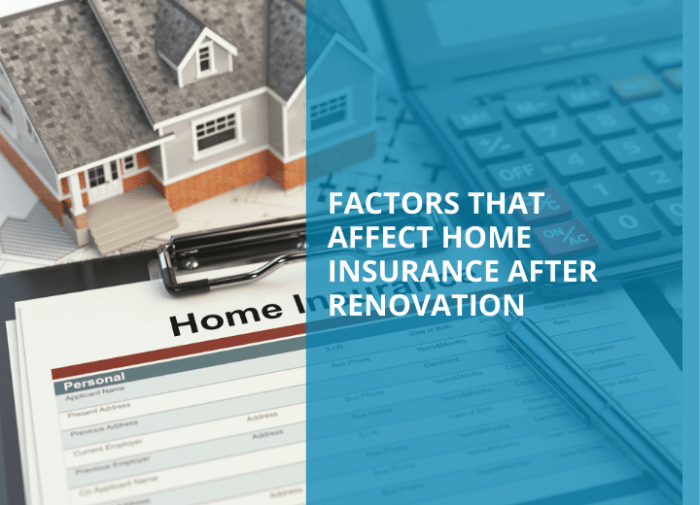
When adjusting homeowners insurance after renovations, it's crucial to avoid common mistakes that could lead to issues down the line. Here are some errors to watch out for:
Underestimating renovation value
One of the biggest mistakes homeowners make is underestimating the value of their renovations when updating their insurance policy. This can lead to inadequate coverage in case of damage or loss, leaving you financially vulnerable.
Inaccuracies in renovation details
Providing inaccurate information about the renovations can also cause problems. Whether it's omitting certain upgrades or misrepresenting the scope of the project, inaccuracies can result in disputes with the insurance company during a claim.
Tips to prevent mistakes
- Document all renovations thoroughly, including receipts, contracts, and before/after photos, to ensure accurate reporting to your insurance company.
- Consult with your insurance agent to understand how each renovation may impact your coverage and premiums.
- Regularly review and update your policy to reflect any changes in your home's value or features.
- Consider hiring a professional appraiser to assess the value of your renovations and provide an accurate estimate for insurance purposes.
Closing Summary
Wrapping up our exploration of Homeowners Insurance Quote Adjustments After Renovations, it's clear that staying informed and proactive is key to ensuring your insurance coverage aligns with your home's updated value. Whether it's updating your insurance company about renovations or avoiding common pitfalls, being well-informed is the first step to protecting your investment.
FAQ Summary
How do renovations impact insurance premiums?
Renovations can increase the value of your home, which may lead to higher insurance premiums to adequately cover the new value.
What documentation is required for updating insurance policies post-renovations?
Typically, you'll need to provide proof of the renovations, such as receipts, contracts, or photographs, to your insurance company.
What are common mistakes to avoid when adjusting homeowners insurance after renovations?
Common mistakes include underestimating the value of renovations, providing inaccurate details, and failing to inform your insurance company about the changes.