
As Commercial Auto Insurance for Cross-Border Operations takes center stage, this opening passage beckons readers with engaging insights into the complexities of insuring vehicles for international business operations. From understanding the unique challenges of cross-border transportation to exploring specialized coverage options, this topic delves into the crucial aspects of safeguarding businesses on a global scale.
Overview of Commercial Auto Insurance for Cross-Border Operations
Commercial auto insurance is a type of insurance policy that provides coverage for vehicles used for business purposes. This insurance is essential for protecting businesses from financial losses in case of accidents, theft, or damage to vehicles involved in commercial activities.In the context of insurance, cross-border operations refer to business activities that involve the transportation of goods or services across international borders.
This can include transporting goods from one country to another, providing services in different countries, or having employees who travel internationally for work purposes.
Scenarios Requiring Specialized Insurance Coverage
In the case of cross-border operations, specialized insurance coverage may be necessary to address the unique risks involved. For example:
- Transporting goods across different countries may require coverage for cargo in transit, as well as liability coverage for any accidents that occur in foreign territories.
- Operating vehicles in countries with different insurance laws and regulations may necessitate additional coverage to comply with local requirements.
- Having employees who frequently travel internationally for business purposes may require coverage for medical expenses or emergency evacuations in foreign countries.
Importance of Commercial Auto Insurance for Cross-Border Operations
In today's global economy, businesses often engage in cross-border operations to expand their reach and increase profitability. However, with these operations come unique risks and challenges that require specialized insurance coverage to protect both the business and its assets.
Specific Insurance for Cross-Border Operations
When businesses operate across borders, they face a myriad of risks that are not typically covered by standard commercial auto insurance policies. These risks can include varying regulations, different road conditions, language barriers, and unfamiliar territories. Without specific insurance tailored to cross-border operations, businesses may find themselves exposed to financial losses and legal liabilities.
Risks Involved in Cross-Border Transportation
Cross-border transportation poses various risks such as accidents, theft, damage to goods, customs delays, and even political instability in certain regions. Standard commercial auto insurance may not provide coverage for these specific risks, making it essential for businesses to invest in specialized insurance that addresses the unique challenges of cross-border operations.
Differences Between Regular Commercial Auto Insurance and Coverage for Cross-Border Operations
Regular commercial auto insurance policies typically cover vehicles operating within a specific geographic area, usually within a single country or region. On the other hand, coverage for cross-border operations extends protection to vehicles traveling across international borders, ensuring that businesses are adequately covered no matter where their operations take them.
This specialized coverage may include provisions for legal compliance, customs duties, currency fluctuations, and other factors that are crucial for businesses operating in multiple countries.
Coverage Options for Cross-Border Operations
When it comes to commercial auto insurance for cross-border operations, there are several key coverage options that are typically included to ensure protection and compliance with international regulations. In addition to standard coverage, additional options may be necessary for international transportation, and coverage limits are determined based on various factors.
Key Coverage Options
- Liability Coverage: This provides protection in case your vehicle is involved in an accident that causes property damage or bodily injury to others.
- Physical Damage Coverage: This covers repairs or replacement of your vehicle if it is damaged in a collision, fire, theft, or vandalism.
- Cargo Insurance: This protects the goods being transported in your vehicle in case of damage or loss during transit.
- Medical Payments Coverage: This helps cover medical expenses for you and your passengers in the event of an accident.
Additional Coverage for International Transportation
- Customs Bonds: Required for transporting goods across international borders, these bonds ensure compliance with customs regulations.
- International Liability Coverage: This provides protection for accidents that occur in foreign countries where different liability laws may apply.
- Foreign Travel Assistance: This coverage can provide assistance in case of breakdowns or accidents while traveling abroad.
Coverage Limits for Cross-Border Operations
- Coverage limits for cross-border operations are determined based on various factors such as the type of cargo being transported, the countries involved, and the specific risks associated with the route. Insurance providers will assess these factors to determine the appropriate coverage limits to adequately protect your business.
- It is important to work closely with your insurance provider to understand the specific coverage limits for your cross-border operations and ensure that you have sufficient coverage to mitigate potential risks.
Legal Considerations and Compliance
In the realm of cross-border operations, legal considerations and compliance are crucial aspects that businesses must carefully navigate to ensure smooth operations and avoid any potential liabilities.
Legal Requirements for Commercial Auto Insurance in Cross-Border Operations
- Commercial auto insurance requirements can vary significantly between different countries and regions.
- Businesses must ensure that they have the appropriate coverage that complies with the regulations of each country they operate in.
- Proof of insurance may need to be carried at all times during cross-border transportation to demonstrate compliance.
Ensuring Compliance with Different Countries' Regulations
- Businesses should conduct thorough research or consult with legal experts to understand the specific insurance requirements in each country they operate in.
- Working with insurance providers that have experience in cross-border operations can help ensure compliance with regulations.
- Regularly reviewing and updating insurance policies to align with any changes in regulations is essential to maintain compliance.
Implications of Non-Compliance in Cross-Border Transportation
- Non-compliance with insurance regulations in cross-border operations can lead to severe consequences, including fines, penalties, and even business disruptions.
- Businesses may face legal liabilities and risk losing their operating licenses if found to be operating without the required insurance coverage.
- Maintaining compliance not only protects businesses from financial losses but also ensures the safety and security of their operations and employees.
Ultimate Conclusion
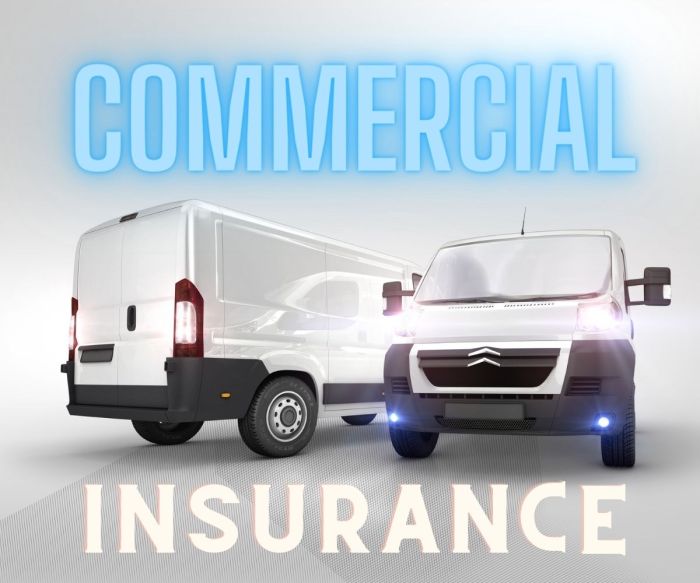
In conclusion, the world of Commercial Auto Insurance for Cross-Border Operations is multifaceted, requiring a nuanced approach to risk management and compliance. By staying informed about the legal considerations, coverage options, and importance of specialized insurance, businesses can navigate the intricate landscape of international operations with confidence and security.
Question Bank
What is commercial auto insurance?
Commercial auto insurance provides coverage for vehicles used for business purposes, protecting against damages and liabilities that may arise during operations.
Why do businesses need specific insurance for cross-border operations?
Cross-border operations introduce unique risks such as varying regulations and jurisdictions, making specialized insurance essential for adequate protection.
How are coverage limits determined for cross-border operations?
Coverage limits for cross-border operations are often influenced by the type of cargo, destination countries, and the specific risks involved in international transportation.