
When it comes to finding affordable auto insurance for drivers with clean records, there are key factors and strategies that can help you secure the best rates possible. From understanding how your driving history impacts premiums to exploring coverage options and additional influencing factors, this guide will provide valuable insights to help you navigate the world of cheap auto insurance effectively.
In the following sections, we will delve into specific tips, coverage options, and other essential information that can empower you to make informed decisions and potentially save money on your auto insurance policy.
Factors affecting cheap auto insurance rates for drivers with clean records
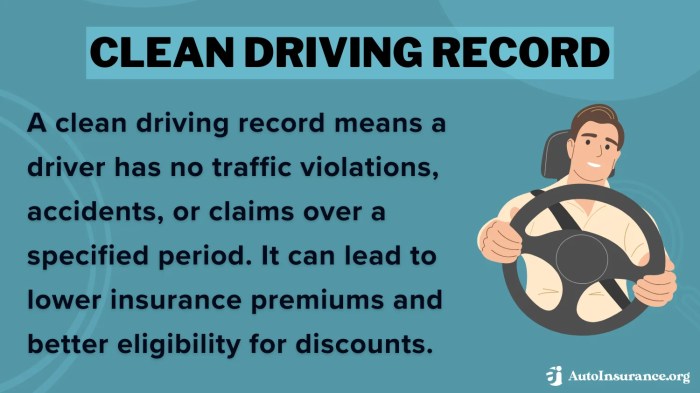
Having a clean driving record can significantly impact the cost of your auto insurance premiums. Insurance companies view drivers with clean records as less risky, therefore offering them lower rates compared to those with a history of accidents or traffic violations.
Role of age and experience
Age and driving experience play a crucial role in determining insurance costs for drivers with clean records. Younger and less experienced drivers typically face higher insurance premiums due to the higher likelihood of accidents. As drivers gain more experience and reach a certain age, insurance rates tend to decrease.
Significance of location
The location where you live can also affect your insurance premiums. Urban areas with higher traffic congestion and crime rates may result in higher insurance costs compared to rural areas. Additionally, states with higher rates of uninsured drivers may also have higher insurance premiums for all drivers.
Comparison of insurance companies' offers
Different insurance companies may offer varying rates for drivers with clean records. It's essential to shop around and compare quotes from multiple insurers to find the best deal. Factors such as coverage options, discounts, and customer service should all be considered when selecting an insurance provider.
Tips for finding affordable auto insurance for drivers with clean records
Finding affordable auto insurance for drivers with clean records is essential to saving money while ensuring adequate coverage. By leveraging discounts, bundling policies, maintaining continuous coverage, and improving credit scores, drivers can secure lower insurance rates.
Leverage Discounts for Safe Driving
- Many insurance companies offer discounts for safe driving habits, such as avoiding accidents and traffic violations.
- Consider enrolling in a safe driving course to qualify for additional discounts.
- Installing safety features in your vehicle, such as anti-theft devices or airbags, can also lead to reduced premiums.
Benefits of Bundling Insurance Policies for Cost Savings
- Bundling auto insurance with other types of insurance, such as home or renters insurance, can result in significant cost savings.
- Insurance companies often provide discounts for customers who bundle multiple policies with them.
- By consolidating your insurance needs with one provider, you can simplify the payment process and potentially lower your overall insurance costs.
Importance of Maintaining Continuous Coverage for Lower Rates
- Insurance companies typically offer lower rates to drivers who maintain continuous coverage without any lapses.
- Driving uninsured or allowing your policy to lapse can lead to higher premiums when you reapply for coverage.
- By staying insured consistently, you demonstrate responsibility to insurance providers, which can result in more affordable rates over time.
Improving Credit Score for Cheaper Insurance Rates
- Insurance companies often use credit scores as a factor in determining insurance rates.
- Improving your credit score by paying bills on time and reducing debt can lead to lower insurance premiums.
- Check your credit report regularly for errors that could negatively impact your score and dispute any inaccuracies to improve your creditworthiness.
Coverage options and limits for cost-effective auto insurance
When it comes to choosing cost-effective auto insurance coverage options and limits, it's important to understand the different types of coverage available and how they can impact your premiums.
Difference between liability, collision, and comprehensive coverage
- Liability coverage: This type of coverage helps pay for damages and injuries you cause to others in an accident. It is usually required by law and does not cover your own vehicle.
- Collision coverage: This covers damage to your vehicle in the event of a collision with another car or object, regardless of fault.
- Comprehensive coverage: This protects your vehicle from non-collision incidents such as theft, vandalism, or natural disasters.
Choosing higher deductibles to lower insurance premiums
- Increasing your deductibles can lower your insurance premiums as you agree to pay more out of pocket before your insurance kicks in.
- However, it's important to strike a balance and choose deductibles that you can afford in the event of a claim.
Cost implications of different coverage limits
- Higher coverage limits typically mean higher premiums, as you are extending the amount your insurance will pay out in the event of a claim.
- It's important to assess your financial situation and driving habits to determine the appropriate coverage limits for your needs.
Optional coverage add-ons for drivers with clean records
- Rental car reimbursement: This coverage can help you with the cost of a rental car while your vehicle is being repaired after an accident.
- Roadside assistance: This add-on can provide peace of mind by offering services like towing, tire changes, and fuel delivery in case of breakdowns.
Additional factors influencing cheap auto insurance for safe drivers
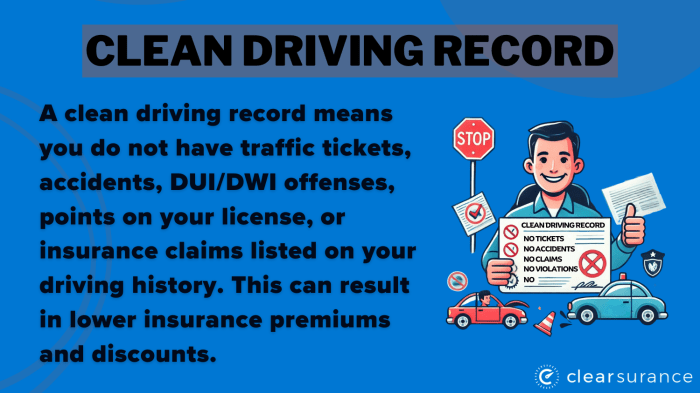
When it comes to determining auto insurance rates for safe drivers, there are several additional factors that can influence the cost of coverage. These factors go beyond just having a clean driving record and can play a significant role in determining how much you pay for your auto insurance premiums.
Type of Vehicle
The type of vehicle you drive can have a big impact on your auto insurance rates. Insurance companies take into account factors such as the make and model of your car, its age, and its safety ratings when calculating your premiums.
Generally, newer vehicles with advanced safety features tend to have lower insurance rates compared to older models with fewer safety features.
Annual Mileage
The number of miles you drive annually can also affect your auto insurance premiums. Insurance companies consider drivers who log more miles on the road to be at a higher risk of getting into an accident. As a result, drivers with lower annual mileage may be eligible for lower insurance rates compared to those who drive more frequently.
Vehicle Safety Features
Equipping your vehicle with safety features such as anti-lock brakes, airbags, and anti-theft devices can help reduce your insurance costs. Insurance companies often offer discounts for vehicles that have these safety features installed, as they are considered to lower the risk of accidents and theft.
Personal Factors
Personal factors such as marital status and occupation can also influence your auto insurance rates. Married individuals are often viewed as more responsible and less likely to engage in risky driving behavior, which can lead to lower insurance premiums. Similarly, certain occupations may be eligible for discounts based on statistical data that shows lower claims rates for individuals in those professions.
Final Wrap-Up
In conclusion, obtaining cheap auto insurance for drivers with clean records is not just about luck—it's about being proactive and informed. By applying the tips and strategies discussed in this guide, you can work towards securing a cost-effective policy that meets your needs without breaking the bank.
Remember, a clean driving record is a valuable asset that can translate into significant savings when it comes to auto insurance premiums.
FAQ Resource
How does a clean driving record impact insurance rates?
Insurance companies typically offer lower premiums to drivers with clean records as they are considered less risky to insure. This can result in significant savings over time.
What are some strategies to leverage discounts for safe driving?
Some common strategies include completing defensive driving courses, maintaining a good credit score, and bundling your auto insurance with other policies for additional savings.
What is the importance of maintaining continuous coverage for lower rates?
Continuous coverage demonstrates to insurers that you are a responsible and reliable driver, which can lead to lower rates over time. Gaps in coverage can sometimes result in higher premiums.
How do vehicle safety features impact insurance costs?
Vehicles equipped with safety features such as anti-lock brakes, airbags, and anti-theft systems are generally eligible for discounts on insurance premiums due to the reduced risk of accidents and theft.
Can personal factors like marital status affect insurance rates?
Yes, factors like marital status, occupation, and even credit score can influence insurance rates. Married individuals and those with stable occupations may be considered lower risk and qualify for lower premiums.