
Starting with Auto Insurance Quote Accuracy: What Data Matters Most, the discussion delves into the key factors that influence the precision of insurance quotes. It explores the significance of accurate data and the role of technology in ensuring data accuracy for auto insurance.
The following paragraphs provide detailed insights into the importance of accurate data in determining fair premiums, the challenges faced in maintaining data accuracy, and strategies to overcome them.
Factors Influencing Auto Insurance Quote Accuracy
When it comes to determining the accuracy of auto insurance quotes, several key factors play a significant role in the calculations made by insurance companies. Factors such as driving history, age, location, vehicle type, credit score, and claims history all contribute to the overall accuracy of the quotes provided to customers.
Driving History
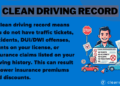
A driver's past driving record is one of the most influential factors in determining auto insurance quotes. Insurance companies consider factors such as accidents, traffic violations, and previous claims when assessing the risk associated with insuring a driver. A clean driving record typically results in lower insurance premiums, while a history of accidents or violations may lead to higher quotes.
Age
Age is another crucial factor that insurance companies take into consideration when calculating auto insurance quotes. Younger drivers, especially those under the age of 25, are often considered higher risk due to their lack of driving experience. On the other hand, older drivers may also face higher premiums due to factors such as slower reaction times and declining vision.
Location
Where a driver lives can also impact the accuracy of auto insurance quotes. Urban areas with higher rates of traffic congestion and crime may result in higher premiums compared to rural areas with less traffic and crime. Additionally, the frequency of natural disasters in a specific location can also influence insurance rates.
Vehicle Type
The type of vehicle being insured is another important factor in determining auto insurance quotes. Insurance companies consider factors such as the make and model of the vehicle, its age, safety features, and potential repair costs when calculating premiums. Sports cars and luxury vehicles typically result in higher insurance rates compared to economy cars or family SUVs.
Credit Score and Claims History
Insurance companies also take into account a driver's credit score and claims history when determining the accuracy of auto insurance quotes. A higher credit score is often associated with lower insurance premiums, as it is seen as an indicator of financial responsibility.
Additionally, drivers with a history of filing multiple claims may face higher insurance rates due to the increased risk they pose to the insurance company.
Importance of Accurate Data in Auto Insurance Quotes
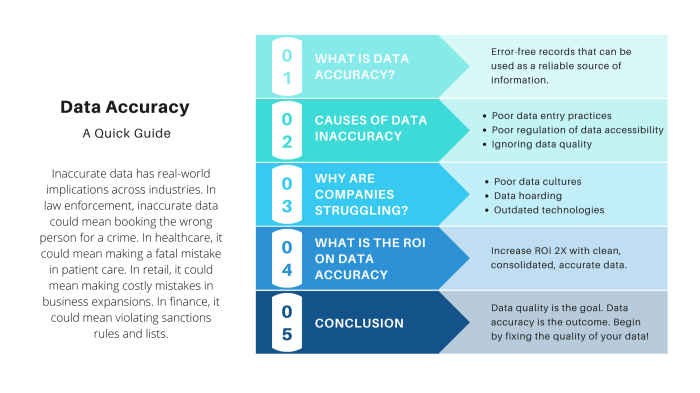
Accurate data plays a crucial role in determining fair premiums for policyholders in the auto insurance industry. When insurers have access to precise information about a driver's risk profile, they can calculate premiums that reflect the actual likelihood of claims, leading to fair pricing for policyholders.Inaccurate data, on the other hand, can have significant consequences on policy pricing and coverage.
For instance, if a driver provides false information about their driving history or vehicle details, they may end up with premiums that are either too high or too low. This can result in financial losses for both the insurer and the policyholder, as the coverage may not adequately protect against potential risks.Examples of how accurate data can benefit both insurers and insured individuals include:
- Insurers can offer competitive premiums to safe drivers based on accurate data, encouraging responsible behavior on the road.
- Policyholders can enjoy peace of mind knowing that they are adequately covered for potential risks, thanks to accurate information provided during the quoting process.
Fair Premiums for Policyholders
Accurate data ensures that policyholders are charged premiums that align with their actual risk profile. This means that safe drivers with clean records are rewarded with lower premiums, while high-risk drivers may face higher costs due to their increased likelihood of making claims.
Insurers can also offer personalized discounts and incentives based on accurate data, creating a fair and transparent pricing structure for policyholders.
Consequences of Inaccurate Data
Inaccurate data can lead to underpricing or overpricing of policies, resulting in financial losses for insurers and inadequate coverage for policyholders. For example, if a driver fails to disclose a history of accidents or traffic violations, they may receive lower premiums that do not accurately reflect their risk profile.
In the event of a claim, the insurer may deny coverage or charge additional fees due to the misrepresentation of information.
Benefits of Accurate Data
Accurate data benefits insurers by enabling them to assess risks accurately and set premiums accordingly. This helps insurers remain profitable and sustainable in the long run
Technology and Data Collection in Auto Insurance
Technology plays a crucial role in enhancing data accuracy for auto insurance quotes. By leveraging tools such as telematics, IoT devices, data analytics, and machine learning, insurance companies can gather real-time information to assess risk factors accurately.
Telematics and IoT Devices
Telematics devices, often installed in vehicles, collect data on driving behavior, including speed, acceleration, braking, and mileage. This data is then used by insurance companies to determine individualized premiums based on the driver's actual risk profile. Similarly, IoT devices like smart home sensors can provide additional data points that may impact insurance rates.
Data Analytics and Machine Learning
Data analytics and machine learning algorithms process vast amounts of data to identify patterns and trends that influence insurance quotes. These technologies help insurers assess risk more accurately by analyzing factors such as driving history, location, vehicle type, and even external variables like weather conditions.
Real-Time Data Collection
Real-time data collection through telematics and IoT devices enables insurers to access up-to-date information on a policyholder's driving habits and environmental factors. This real-time data allows for more dynamic pricing models, where premiums can be adjusted based on current risk factors, ultimately leading to more accurate insurance quotes.
Challenges in Ensuring Data Accuracy for Auto Insurance Quotes
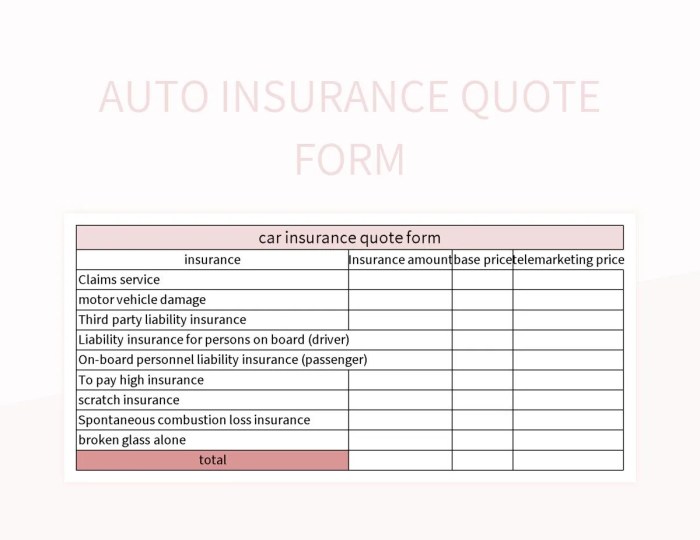
In the realm of auto insurance, ensuring data accuracy is crucial for providing accurate quotes to customers. However, there are various challenges that insurance companies face in maintaining this accuracy.
Common Pitfalls Leading to Inaccurate Data in Insurance Quotes
- Human Error: Mistakes made by employees during data entry can result in inaccuracies in insurance quotes.
- Outdated Information: Using outdated or incorrect data can lead to inaccurate quotes for customers.
- Incomplete Data: Missing or incomplete information can skew the accuracy of auto insurance quotes.
Impact of Data Breaches and Cybersecurity Threats on Insurance Quote Accuracy
- Data Breaches: Unauthorized access to customer data can compromise the accuracy of insurance quotes and erode trust in the company.
- Cybersecurity Threats: Malicious attacks on the company's systems can lead to data manipulation, resulting in inaccurate insurance quotes.
- Loss of Customer Confidence: Data breaches and cybersecurity threats can cause customers to question the reliability of the insurance company, impacting the accuracy of quotes.
Strategies to Overcome Challenges Related to Data Accuracy
- Implement Data Validation Processes: Regularly validate data to ensure accuracy and completeness.
- Invest in Cybersecurity Measures: Enhance cybersecurity protocols to protect customer data from breaches and threats.
- Employee Training: Provide training to employees on data entry best practices to minimize human errors.
- Update Information Systems: Keep systems up to date to prevent the use of outdated data in insurance quotes.
Closing Notes
Wrapping up the exploration of auto insurance quote accuracy, it becomes evident that understanding what data matters most is crucial in providing fair and reliable insurance quotes. By leveraging technology and implementing effective strategies, insurance companies can enhance data accuracy and benefit both insurers and policyholders.
FAQ Resource
What types of data do insurance companies consider when calculating quotes?
Insurance companies consider factors like driving history, age, location, vehicle type, credit score, and claims history when calculating quotes.
How does accurate data impact policy pricing and coverage?
Accurate data ensures fair premiums for policyholders and influences the extent of coverage they receive.
What role does technology play in improving data accuracy for insurance quotes?
Technology like telematics and IoT devices enhance data accuracy by providing real-time information for insurers to assess risk factors.