
Delving into the realm of Term Life Insurance Quotes With Flexible Policy Terms, this introduction aims to provide a comprehensive look at how policy flexibility can impact your insurance decisions.
As we explore the intricacies of term life insurance and the significance of flexible policy terms, you'll gain valuable insights into customizing your coverage to suit your needs.
Term Life Insurance Quotes With Flexible Policy Terms

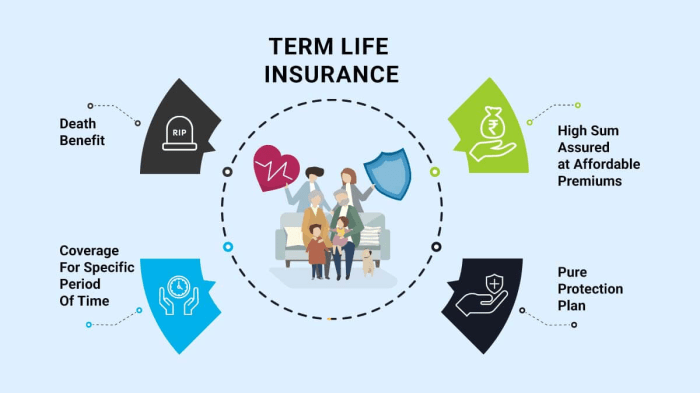
Term life insurance is a type of life insurance that provides coverage for a specific period, known as a term. This type of insurance is usually more affordable than permanent life insurance and offers a death benefit to the policyholder's beneficiaries if the insured passes away during the term.
Importance of Flexible Policy Terms in Insurance
Flexible policy terms in insurance allow policyholders to adjust their coverage based on changing financial needs and circumstances. This flexibility provides a sense of security and control, ensuring that the policy aligns with the policyholder's current situation.
Benefits of Flexible Policy Terms
- Ability to increase or decrease coverage: Policyholders can adjust their coverage amount to accommodate changes in financial responsibilities or goals.
- Option to change the length of the term: Policyholders can extend or shorten the term of the policy based on their needs, providing more control over the coverage period.
- Opportunity to convert to permanent insurance: Some policies with flexible terms allow policyholders to convert to a permanent life insurance policy without the need for additional underwriting.
Comparison with Traditional Term Life Insurance
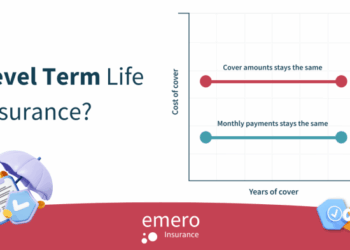
Traditional term life insurance policies offer fixed coverage amounts and terms without the ability to make adjustments. In contrast, term life insurance with flexible policy terms provides more versatility and customization options for policyholders, making it a more adaptable choice for those seeking insurance coverage.
Types of Flexible Policy Terms
When it comes to term life insurance, policyholders have the option to choose from various flexible policy terms that can cater to their specific needs and preferences. These flexible policy terms allow individuals to customize their coverage based on factors such as budget, lifestyle, and future goals.
Convertible Term Policies
Convertible term policies offer policyholders the flexibility to convert their term life insurance policy into a permanent life insurance policy without the need for a medical exam. This type of flexible policy term is ideal for individuals who may want to extend their coverage beyond the initial term or switch to a different type of policy in the future.
Renewable Term Policies
Renewable term policies give policyholders the option to renew their coverage at the end of the initial term without the need for a medical exam. This flexibility allows individuals to continue their coverage for an additional term, even if their health has changed since the start of the policy.
Decreasing Term Policies
Decreasing term policies are designed for individuals who have specific financial obligations that decrease over time, such as a mortgage or a loan. With this type of flexible policy term, the death benefit decreases over the term of the policy, aligning with the decreasing financial obligations of the policyholder.
Increasing Term Policies
Increasing term policies provide policyholders with the option to increase their coverage amount over time without the need to purchase a new policy. This type of flexible policy term is beneficial for individuals who anticipate a need for higher coverage in the future due to factors like marriage, children, or increased financial responsibilities.
Term Riders
Term riders are additional features that can be added to a term life insurance policy to enhance its flexibility. Policyholders can customize their coverage with term riders such as accelerated death benefits, accidental death benefits, or disability income riders. These riders allow individuals to tailor their policy to suit their individual needs and provide additional protection against unforeseen circumstances.Overall, while flexible policy terms offer policyholders the freedom to customize their coverage, it's essential to be aware of any limitations or restrictions that may come with certain types of flexible policy terms.
It's important to carefully review the terms and conditions of the policy to ensure that it aligns with your long-term financial goals and provides the desired level of protection.
Factors to Consider When Choosing Term Life Insurance Quotes
When selecting term life insurance with flexible policy terms, there are several key factors to consider to ensure you make the best decision for your individual needs. Factors such as age, health, lifestyle, and premium flexibility play a crucial role in determining the most suitable policy terms for you.
Evaluating and comparing quotes from different insurance providers can also help you find the most cost-effective option that meets your requirements.
Age, Health, and Lifestyle Influence
- Age: Younger individuals typically get lower premiums as they are considered lower risk. However, older individuals may need shorter policy terms or higher coverage.
- Health: Your health condition can impact the type of policy terms available to you. Pre-existing medical conditions may lead to higher premiums or limited term options.
- Lifestyle: Factors like smoking, dangerous hobbies, or occupation can affect your policy terms and premiums. Insurance providers assess these risks when determining your coverage.
Significance of Premium Flexibility
- Having the flexibility to adjust your premium payments can be crucial, especially if your financial situation changes. Look for policies that offer options for payment frequency and the ability to modify premium amounts.
- Consider policies that provide premium waivers in case of disability or critical illness, ensuring your coverage remains intact even if you are unable to work.
Evaluating and Comparing Quotes
- Request quotes from multiple insurance providers to compare coverage options, premiums, and policy terms. Make sure to provide accurate information to get realistic quotes.
- Look beyond the premium amount and consider the overall value of the policy, including coverage limits, exclusions, and additional benefits.
- Read the fine print carefully to understand any restrictions or limitations that may apply to the policy terms. Clarify any doubts with the insurance provider before making a decision.
Understanding Policy Terms and Conditions
When it comes to term life insurance policies, understanding the terms and conditions is crucial for policyholders. These terms can have a significant impact on coverage, premiums, and benefits, so it is essential to pay close attention to them. Here, we will delve into common terms and conditions found in term life insurance policies, how they affect policyholders, and what to look for in the fine print.
Common Terms and Conditions in Term Life Insurance Policies
- Policy Term: This refers to the length of time the policy will be in effect. It can range from 5 to 30 years, depending on the policy chosen.
- Premiums: The amount of money policyholders pay to the insurance company to keep their policy active. Premiums can be paid monthly, annually, or in other intervals.
- Death Benefit: The amount of money that will be paid out to beneficiaries upon the death of the insured individual.
How Policy Terms Affect Coverage, Premiums, and Benefits
- Longer Policy Terms: Longer policy terms typically result in higher premiums but provide coverage for a longer period.
- Higher Coverage Amount: Policies with higher coverage amounts usually have higher premiums but offer more substantial benefits to beneficiaries.
- Renewability: Some policies may offer the option to renew at the end of the term, but this may come with an increase in premiums.
What to Look for in Policy Terms and Conditions
- Clear Definitions: Ensure that all terms are clearly defined in the policy to avoid misunderstandings.
- Exclusions: Pay attention to any exclusions listed in the policy that may affect coverage, such as pre-existing conditions.
- Riders: Check for any additional options or riders available to enhance coverage, such as critical illness or disability riders.
Importance of Reviewing and Understanding Policy Documents
- Policyholders should carefully review and understand all terms and conditions to make informed decisions about their coverage.
- Reading the fine print can help policyholders avoid surprises and ensure they are getting the coverage they need.
- Seek clarification from the insurance provider if there are any terms or conditions that are unclear or confusing.
Conclusion
Wrapping up our discussion on Term Life Insurance Quotes With Flexible Policy Terms, it's clear that understanding the nuances of policy terms can lead to a more tailored and beneficial insurance plan. Make informed decisions to secure your future with the right coverage.
FAQ Guide
How does term life insurance differ from other types of insurance?
Term life insurance provides coverage for a specific period, usually with lower premiums than whole life insurance, making it a more affordable option.
Can I adjust my coverage during the policy term with flexible terms?
Yes, flexible policy terms allow you to adjust your coverage, such as increasing or decreasing the death benefit, within certain limits set by the insurance provider.
What factors should I consider when choosing flexible policy terms?
Consider your financial goals, family needs, and any potential changes in your life circumstances when selecting flexible policy terms to ensure adequate coverage.
Are there restrictions on customizing coverage with flexible policy terms?
Some restrictions may apply based on the insurer's guidelines, so it's essential to review the terms carefully to understand any limitations on customization options.
How do I compare quotes from different insurance providers effectively?
Compare not just the premiums but also the coverage limits, policy terms, and any additional benefits offered by each provider to make an informed decision.