
In the world of construction, where risks are abundant, having the right insurance coverage can make all the difference. This article delves into the realm of Commercial Auto Insurance for Construction Businesses, exploring the vital protection it offers in the face of potential hazards.
As we navigate through the different aspects of commercial auto insurance tailored to construction companies, you'll gain valuable insights into the key coverage options, factors influencing insurance costs, the claims process, and best practices to ensure your business stays protected.
Importance of Commercial Auto Insurance for Construction Businesses
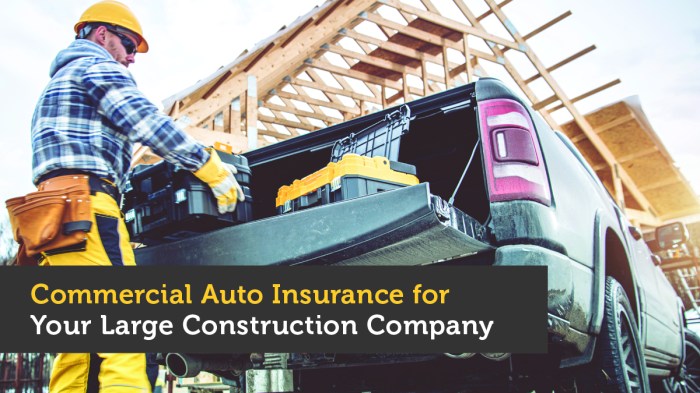
Commercial auto insurance is essential for construction businesses to protect their vehicles, employees, and assets. Without proper insurance coverage, construction companies face various risks that can lead to significant financial losses.
Potential Risks Without Proper Insurance Coverage
- Accidents involving company vehicles resulting in property damage or bodily injury to employees or third parties.
- Theft or vandalism of construction vehicles and equipment.
- Legal liabilities arising from accidents or injuries on construction sites.
Financial Impact of Not Having Adequate Insurance
Not having adequate commercial auto insurance can have a severe financial impact on construction businesses. The costs of vehicle repairs, medical expenses, legal fees, and compensation for damages can quickly add up and jeopardize the financial stability of the company.
Real-Life Scenarios of Insurance Savings
- A construction company's truck was involved in a collision with a third-party vehicle, causing significant damage. Thanks to their commercial auto insurance, the company was able to cover the repair costs and avoid a lawsuit.
- During a construction project, a company vehicle was stolen along with valuable equipment. The insurance policy helped the business recover the stolen items and minimize the financial loss.
Key Coverage Options for Commercial Auto Insurance
Commercial auto insurance offers various coverage options tailored to meet the specific needs of construction businesses. These coverage options are essential to protect construction vehicles, employees, and assets in the event of accidents or unforeseen circumstances.
Liability Coverage
Liability coverage is crucial for construction businesses as it provides financial protection in case the business is held responsible for injuries or property damage caused by a company vehicle. This coverage can help cover medical expenses, legal fees, and damages awarded in a lawsuit.
Comprehensive Coverage
Comprehensive coverage protects construction vehicles from non-collision-related incidents such as theft, vandalism, or natural disasters. This coverage is essential for construction businesses that rely on their vehicles to transport equipment and materials to job sites.
Collision Coverage
Collision coverage helps repair or replace construction vehicles that are damaged in a collision with another vehicle or object. This coverage is vital for construction companies that need their vehicles to be operational to complete projects on time.
Equipment Coverage
Equipment coverage provides protection for specialized tools and machinery carried in construction vehicles. This coverage ensures that essential equipment is repaired or replaced in case of damage or theft while being transported to job sites.
Hired/Non-Owned Auto Coverage
Hired/non-owned auto coverage extends liability protection to vehicles that are rented or used for business purposes but not owned by the construction company. This coverage is essential for construction businesses that use rental vehicles or employees' personal vehicles for work-related tasks.
Factors Influencing Insurance Costs for Construction Vehicles
When it comes to insuring construction vehicles, there are several key factors that can influence insurance costs. Understanding these factors can help construction businesses make informed decisions to manage their insurance expenses effectively.
Number of Vehicles
The more vehicles a construction business needs to insure, the higher the insurance premiums are likely to be. Insuring a larger fleet of vehicles increases the risk exposure for the insurance company, leading to higher costs. Businesses should carefully assess their vehicle needs and consider ways to optimize their fleet size to minimize insurance expenses.
Type of Vehicles
The type of vehicles being insured also plays a significant role in determining insurance costs. Heavy-duty construction vehicles may have higher premiums compared to smaller, lighter vehicles due to the increased risk of accidents and damage. Construction businesses should evaluate the necessity of each type of vehicle in their fleet and explore options to potentially lower insurance costs by choosing vehicles with lower premiums.
Driver History
The driving records of employees operating construction vehicles can have a direct impact on insurance costs. Insurers typically consider the driving history of all drivers covered under a commercial auto insurance policy. Businesses should prioritize hiring experienced and responsible drivers with clean records to help reduce the risk of accidents and keep insurance premiums in check
Coverage Limits
The coverage limits selected for a commercial auto insurance policy can also affect insurance costs. Higher coverage limits provide greater protection but come with higher premiums. Construction businesses should carefully assess their coverage needs and strike a balance between adequate protection and affordable premiums.
Regularly reviewing and adjusting coverage limits can help businesses optimize their insurance costs.
Strategies to Lower Insurance Premiums
Construction businesses can implement several strategies to potentially lower insurance premiums, such as investing in driver training programs to improve safety, implementing risk management practices to reduce accidents, and bundling insurance policies to qualify for discounts. Regularly comparing quotes from different insurers can also help businesses find competitive rates and save on insurance costs.
Maintaining a Good Insurance Record
To keep insurance costs down, construction companies should focus on maintaining a good insurance record. This includes promptly reporting any claims, addressing safety concerns, and ensuring compliance with insurance requirements. By demonstrating a commitment to safety and responsible risk management, construction businesses can build a positive insurance track record and potentially qualify for lower premiums in the long run.
Claims Process and Best Practices for Construction Businesses
When it comes to construction businesses filing a commercial auto insurance claim, understanding the typical claims process and following best practices can make a significant difference in the outcome. Here, we will provide a step-by-step guide on what construction companies should do in case of an accident involving their vehicles, along with tips on how to streamline the claims process for quicker resolution.
Step-by-Step Guide for Filing a Commercial Auto Insurance Claim
- Immediately assess the situation and ensure the safety of everyone involved.
- Contact the authorities and file a police report.
- Collect information from all parties involved, including witnesses.
- Contact your insurance provider and report the incident as soon as possible.
- Document the damages with photos and gather any relevant documentation.
- Cooperate with the insurance adjuster during the investigation process.
- Follow up with your insurance provider regularly for updates on the claim.
Best Practices for Construction Businesses
- Document incidents promptly and thoroughly to provide accurate information to the insurance company.
- Communicate openly and honestly with your insurance provider to ensure a smooth claims process.
- Keep detailed records of all communication and documentation related to the claim.
- Follow up on the claim regularly to expedite the resolution process.
Epilogue
As we conclude our exploration of Commercial Auto Insurance for Construction Businesses, it becomes evident that proper insurance coverage is not just a safety net but a crucial investment in the longevity of your business. By understanding the importance of comprehensive coverage and implementing best practices, construction companies can navigate the unpredictable terrain of the industry with confidence and resilience.
FAQ Guide
What are the consequences of not having commercial auto insurance for a construction business?
Without proper insurance, construction businesses are exposed to significant financial risks in case of accidents, damage, or liability claims. It can lead to hefty expenses, legal issues, and even business closure.
Is equipment coverage essential for construction vehicles under commercial auto insurance?
Equipment coverage is crucial for construction vehicles as it protects valuable tools and machinery used in construction projects. In case of damage or theft, this coverage ensures that the equipment is repaired or replaced.
How can construction companies lower their insurance premiums?
Construction companies can lower their insurance premiums by maintaining a good safety record, implementing risk management strategies, choosing vehicles with advanced safety features, and bundling multiple insurance policies.