
Exploring effective strategies to save costs on home and auto insurance, this introduction sets the stage for an informative and engaging discussion. It delves into key factors and practical tips to help readers make informed decisions about their insurance coverage.
The subsequent paragraph will provide detailed insights and examples to further enhance understanding of the topic.
Understanding Home and Auto Insurance
Home and auto insurance are two essential types of insurance that provide financial protection in case of unexpected events or accidents. While they both serve to safeguard your assets, they cover different aspects of your life.
Home Insurance
Home insurance, also known as homeowner's insurance, offers protection for your house and personal belongings in case of damage or theft. Some common coverage options include:
- Dwelling Coverage: Protects the structure of your home in case of damage from covered perils such as fire, theft, or vandalism.
- Personal Property Coverage: Covers your belongings inside the home, including furniture, electronics, and clothing.
- Liability Coverage: Provides financial protection in case someone is injured on your property and decides to sue.
Having adequate home insurance is crucial to protect your most valuable asset and ensure financial security in case of unforeseen events.
Auto Insurance
Auto insurance, on the other hand, offers protection for your vehicle and liability in case of accidents. Some common coverage options include:
- Liability Coverage: Covers bodily injury and property damage that you may cause to others in an accident.
- Collision Coverage: Pays for repairs to your vehicle in case of a collision with another vehicle or object.
- Comprehensive Coverage: Protects your car from non-collision incidents such as theft, vandalism, or natural disasters.
Having adequate auto insurance is not only a legal requirement in most states but also ensures that you are financially protected in case of car accidents or other unforeseen events.
Factors Affecting Insurance Costs
When it comes to home and auto insurance premiums, several key factors play a significant role in determining the cost. Factors such as location, age, driving record, and coverage levels can all impact how much you pay for insurance. Understanding these factors is crucial in finding ways to save on your insurance costs.
Location
The location of your home or where you primarily drive your car can greatly influence your insurance costs. Urban areas with higher crime rates or more traffic congestion may result in higher premiums due to increased risk of theft, vandalism, or accidents.
Conversely, living in a rural area with less traffic and lower crime rates could lead to lower insurance costs.
Age
Age is another significant factor that insurers consider when calculating premiums. Younger drivers, especially teenagers, are often charged higher rates due to their lack of driving experience and higher likelihood of being involved in accidents. On the other hand, older drivers may benefit from lower premiums as they are typically viewed as more experienced and safer drivers.
Driving Record
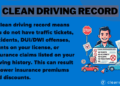
Your driving record plays a crucial role in determining your auto insurance premiums. Drivers with a history of accidents, traffic violations, or DUIs are considered higher risk and may face higher insurance costs. On the contrary, drivers with a clean record are often rewarded with lower premiums as they are seen as safer and more responsible behind the wheel.
Coverage Levels
The amount of coverage you choose for your home and auto insurance policies can also impact your insurance costs. Opting for higher coverage limits or additional coverage options will naturally result in higher premiums. On the other hand, choosing lower coverage limits or reducing coverage options may help lower your insurance costs.
Bundling Policies
One effective way to save on insurance costs is by bundling your home and auto policies with the same insurance provider. Insurance companies often offer discounts to customers who purchase multiple policies from them, such as combining home and auto insurance.
By bundling your policies, you can potentially save money on premiums while still maintaining adequate coverage for both your home and car.
Cost-Saving Strategies for Home Insurance
When it comes to home insurance, there are several strategies you can implement to lower your premiums and save money in the long run. From installing security systems to making home improvements, these cost-saving tips can help you protect your home while keeping your insurance costs down.
Installing Security Systems
One effective way to reduce your home insurance premiums is by installing security systems such as burglar alarms, smoke detectors, and security cameras. These systems can help prevent potential break-ins or damages, making your home less risky to insure. Insurance companies often offer discounts to homeowners who invest in these security measures.
Home Improvements for Insurance Discounts
Another way to save on home insurance is by making certain home improvements that can lower your risk of filing a claim. For example, upgrading your roof, electrical, and plumbing systems can make your home safer and more resistant to damages from natural disasters or accidents.
Additionally, making renovations that enhance the overall safety and security of your home, such as adding storm shutters or reinforcing your foundation, can also lead to insurance discounts.
Cost-Saving Strategies for Auto Insurance
When it comes to auto insurance, there are several strategies you can implement to save on premiums and ensure you are getting the best possible rates. From maintaining a clean driving record to considering the impact of vehicle type and usage, being aware of these factors can help you make informed decisions to lower your insurance costs.
Importance of Maintaining a Clean Driving Record
Maintaining a clean driving record is crucial when it comes to saving on auto insurance premiums. Insurance companies typically offer lower rates to drivers with a history of safe driving, as they are considered less risky to insure. By avoiding traffic violations, accidents, and other infractions, you can demonstrate to insurers that you are a responsible driver, which can lead to significant savings on your premiums.
Impact of Vehicle Type and Usage
The type of vehicle you drive and how you use it can also have a significant impact on your auto insurance costs. Insurance companies take into account factors such as the make and model of your car, its safety features, and how often and for what purposes you use it when calculating your premiums.
For example, driving a high-performance sports car may result in higher insurance rates due to increased risk of accidents and theft. Similarly, using your vehicle for business purposes may also lead to higher premiums. Consider these factors when choosing a vehicle and be mindful of how you use it to potentially lower your insurance costs.
End of Discussion
In conclusion, this discussion on Home and Auto Insurance Cost-Saving Strategies highlights the importance of optimizing insurance coverage while minimizing costs. By implementing the strategies Artikeld, individuals can secure adequate protection for their assets without breaking the bank.
General Inquiries
What factors can influence home insurance costs?
Factors such as location, age of the property, and the coverage level can significantly impact home insurance premiums. Implementing security measures can also lead to cost savings.
How can bundling policies help save on insurance costs?
Bundling home and auto insurance policies with the same provider can often result in discounts on premiums for both, offering a cost-effective solution for coverage.
What are some effective ways to lower auto insurance premiums?
Maintaining a clean driving record, choosing a vehicle with lower insurance costs, and adjusting coverage levels based on usage can all contribute to reducing auto insurance expenses.